Redundancy process support for employers
Reducing headcount is one of the hardest things you'll do as a business owner, and it's also one of the easiest to get legally wrong. I'll take you through the process in the right order, handle the selection criteria and the consultation paperwork, and make sure the people involved are treated properly on the way out. From £250 plus VAT.
 Talk to Me First
Ring me before you tell anyone

Selection that holds up

Handled with some decency

Redundancy is about the role, not the person
That sentence is the whole of employment law on this, and it's also the thing most business owners get wrong without realising.
A genuine redundancy means the role has gone, or there's less work of a particular kind. It's not a way of removing somebody who isn't performing, and it's not a way of restructuring around a person you'd rather not have. Both of those are understandable instincts when money is tight, and both are how a redundancy becomes an unfair dismissal claim.
The other common mistake is order. People decide who's going, then work backwards to justify it. The process has to run the other way round: the business case first, then the pool, then the criteria, then the consultation, and only then the outcome.
The cost of getting this wrong
Unfair dismissal claims arising from badly run redundancies are among the most common things employment tribunals see, and they're among the most avoidable. The awards can be substantial, and where a protected characteristic is involved they aren't capped at all.
Even a claim you win costs you. Solicitor's fees of £20,000 to £40,000 are normal, and that's on top of the months of it hanging over the business.
There's the internal cost too. The people who stay are watching how you treat the people who go. Handle it badly and you'll damage the trust of the employees you've just decided you can't afford to lose, at exactly the moment you need them most.


How I'd run it with you
- We look at whether it's actually redundancy. Sometimes what you're describing is a performance issue, or a restructure that needs handling differently, or a situation where a settlement agreement is a cleaner and cheaper route for everybody.
- The business case and the pool. Why the reduction is needed, and which roles are genuinely in scope. Getting the pool wrong is one of the most common failures, because it's tempting to draw it around one person.
- Selection criteria. Objective, measurable, and applied the same way to everybody in the pool. This is where you can't use "attitude" or "fit", however strongly you feel about it.
- Consultation. Genuine consultation, meaning the decision isn't final when it starts. Individual meetings, properly documented, with a real look at alternatives including any other roles available.
- Outcome, notice and the exit. The decision in writing with the right of appeal, notice periods and redundancy pay calculated correctly.
From £250 plus VAT.
£250 plus VAT is the starting point. What moves it is how many people are involved, whether the selection is straightforward, and how long consultation runs. I'll give you a fixed fee before we start, and if the scope changes we agree a new figure first.
If you're on monthly support, advice and paperwork are included and only in-person time is extra. On Level Up it's already covered.
What clients say
Excellent
5.0 

Based on 8 reviews

10 years in HR. CIPD Level 5 qualified. 5 stars from every client who's reviewed.
I've been working in HR and people management since 2016. Before that, 10 years as a primary school teacher. I hold a CIPD Level 5 Associate Diploma in People Management, based near Darlington, and I've helped businesses across the North East: from first-time employers getting the basics right to organisations with management layers and complex employee relations work.

Excellent
5.0
Based on 8 reviews
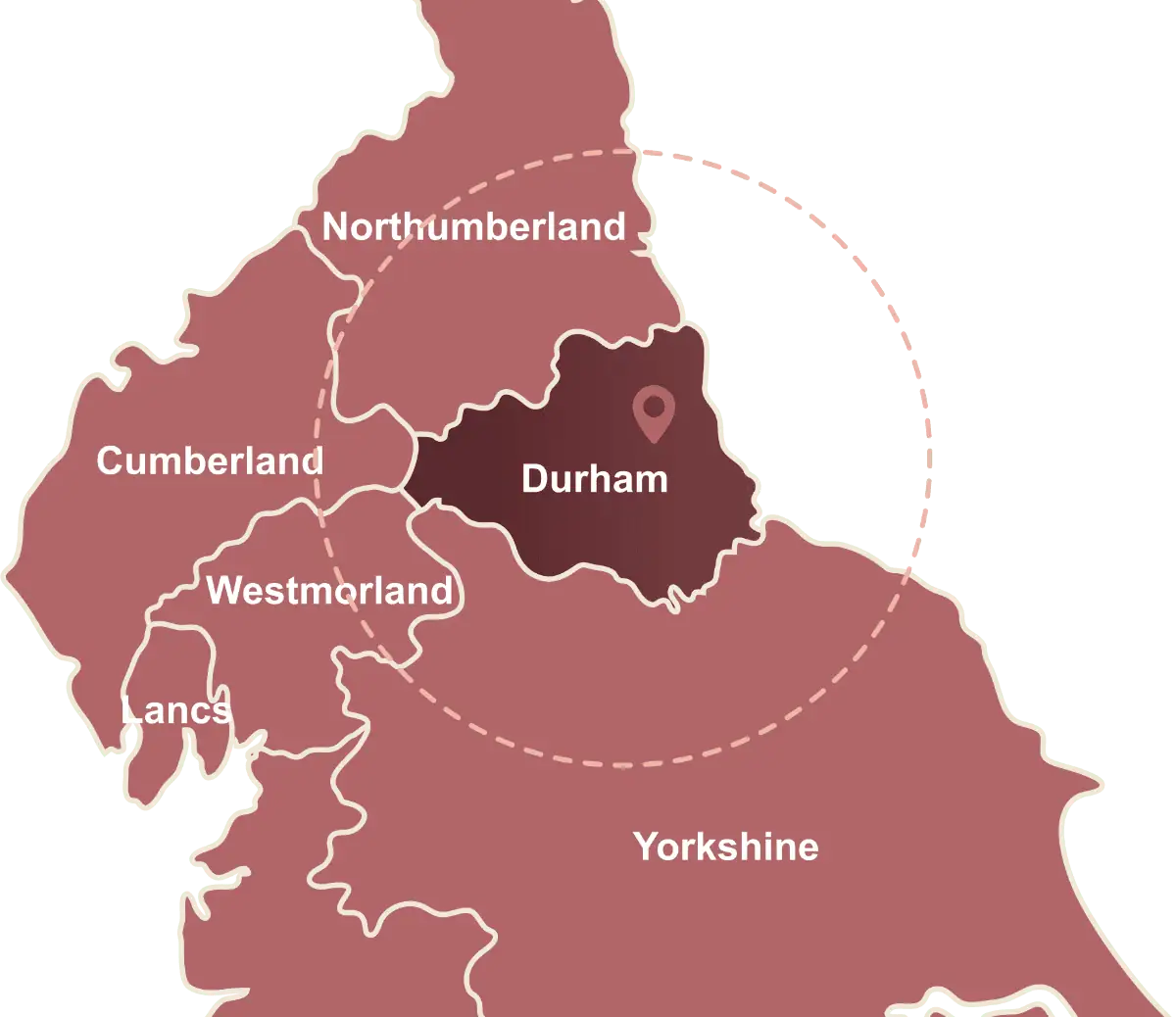
Based near Darlington.
Working across the North East.
I work with businesses across the North East: Darlington, Durham, Bishop Auckland, Stockton-on-Tees, Newcastle and the surrounding areas. For the right client I'll travel further. For businesses that work remotely, I can do that too. If you're within an hour of Barnard Castle, I can be with you in person when it counts.
 Book a Free Consultation