Disciplinary process support for employers
Somebody's conduct or performance has reached the point where it has to be dealt with formally, and you want to get it right. I'll tell you what the process should look like for your situation, produce the paperwork, and sit in on the hearing if you want me there. From £250 plus VAT.
 Tell Me What's Happened
The right order, first time

Someone who isn't involved

Fixed fee from £250

The hard part isn't the decision. It's doing it properly.
Most business owners I speak to already know roughly what needs to happen. Somebody has done something, or hasn't done something, often repeatedly, and it's got to the point where a quiet word won't cover it any more.
What they don't know is the process. What has to be in writing and when. Whether an investigation is needed before anything else happens. What the employee is entitled to at each stage. How much notice they have to be given. Who's allowed to be in the room. What happens if they don't turn up.
And there's a second problem sitting underneath the first one. By the time something has built up enough to become a formal disciplinary, you're rarely objective about it. It's been going on for months, it's personal, and the options that feel right are usually either far harsher than the situation warrants or another attempt to avoid the conversation entirely.
Getting the process wrong is what costs money
An employment tribunal can find that your decision was entirely reasonable and still find against you because of how you reached it. Procedural unfairness is one of the most common reasons employers lose cases they thought were straightforward.
Even when the company wins, the cost is real. Solicitor's fees alone run from £20,000 to £40,000, and that's before the months of disruption and the time your managers spend on it instead of their actual jobs.
There's a quieter cost too, and in small businesses it's often the bigger one. When your good employees watch somebody get away with poor conduct or poor performance, it niggles away and the culture drops. Either the good ones leave for somewhere they feel valued, or they stay and the place turns toxic.


How I'd run it with you
- You tell me what's happened. The full version, including the parts that make you look bad. I need to know what's already been said, what's in writing, what's been let slide before and whether anything similar has been handled differently for someone else.
- I tell you whether it's a disciplinary at all. Sometimes it isn't. Sometimes it's a performance issue that needs a different route, or a conversation that should have happened six months ago and still could.
- Investigation, if it's needed. Establishing the facts before anyone is invited to a hearing. This is the part that most often gets skipped and most often causes the problem later.
- The hearing. I produce the invite letter, the evidence pack and the paperwork, and I'll tell you how the meeting should run. If you want me in the room I'll be there.
- The outcome and the appeal. The decision, put in writing correctly, with the employee's right of appeal set out.
From £250 plus VAT.
£250 plus VAT is the starting point and covers a straightforward case. Cost goes up with complexity, and the biggest single factor is whether an investigation is needed and how much ground it has to cover. I'll give you a fixed fee before anything starts.
You don't need to be on monthly support to use this. If you are on Set Up, Step Up or Level Up, the advice and paperwork are included and only the in-person time is extra.

What clients say
Excellent
5.0 

Based on 8 reviews

10 years in HR. CIPD Level 5 qualified. 5 stars from every client who's reviewed.
I've been working in HR and people management since 2016. Before that, 10 years as a primary school teacher. I hold a CIPD Level 5 Associate Diploma in People Management, based near Darlington, and I've helped businesses across the North East: from first-time employers getting the basics right to organisations with management layers and complex employee relations work.


Excellent
5.0
Based on 8 reviews
Based near Darlington.
Working across the North East.
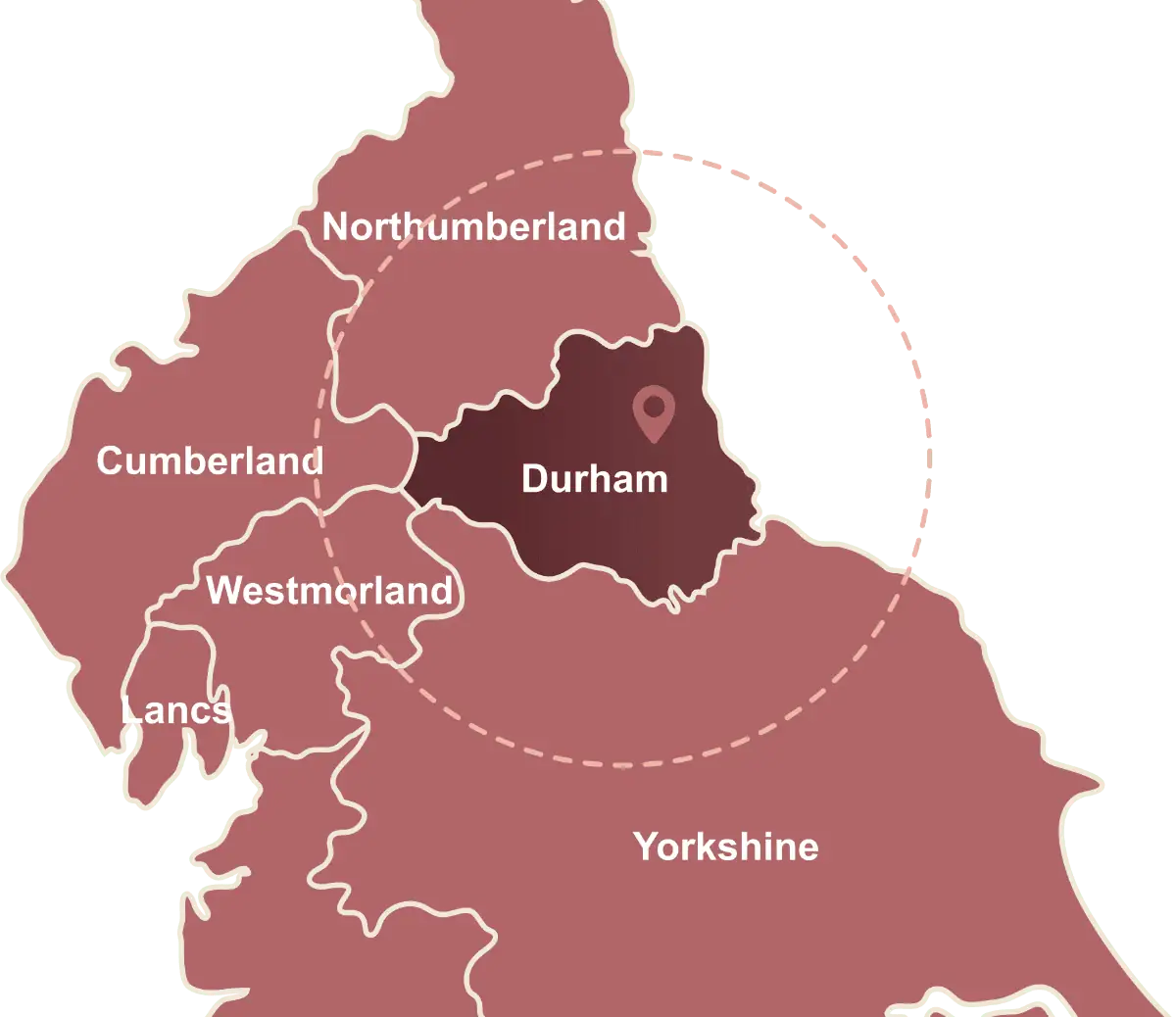
I work with businesses across the North East: Darlington, Durham, Bishop Auckland, Stockton-on-Tees, Newcastle and the surrounding areas. For the right client I'll travel further. For businesses that work remotely, I can do that too. If you're within an hour of Barnard Castle, I can be with you in person when it counts.
 Book a Free Consultation