Grievance and appeal support for employers
Somebody has raised a complaint and you need to deal with it properly, which is harder when you're the person they work for and possibly the person they're complaining about. I'll take you through what has to happen, produce the paperwork, and hear it myself where you can't be the one doing it. From £250 plus VAT.
 Tell Me What's Happened
Genuinely independent

Handled without it escalating

Fixed fee from £250

A grievance puts you in a position you can't win from
Someone has put a complaint in writing. Maybe it's about a manager, maybe it's about a colleague, maybe it's about you.
Whichever it is, you're now supposed to investigate it fairly and reach an objective conclusion about a situation you're personally involved in, in a business where everybody knows everybody. If you find in the employee's favour, you're overruling someone you rely on. If you don't, you're the boss who dismissed a complaint about his own company. And you have to do all of this while carrying on working alongside all the people concerned.
The instinct in this position is usually to deal with it quickly and quietly and hope it settles down. That's the version that ends up at a tribunal.
How you respond is what gets judged
Grievances are frequently the paper trail that a later claim gets built on. If an employee raises something, gets no proper response, and is dismissed or resigns six months later, that unanswered grievance becomes the centrepiece of their case. It's evidence that you knew and did nothing.
Handled properly, the opposite happens. A grievance that's taken seriously, investigated fairly and answered in writing is strong evidence that you behaved reasonably, even if the outcome went against the person who raised it. The process protects you precisely because it was fair.
It also protects the person who raised it, and that matters. If you take on employees, that's a responsibility. Their wages pay their mortgages.


How I'd run it with you
- You send me the grievance and the background. What's been raised, what's happened before it, and who's involved. If the complaint is about you personally, say so straight away. It changes what the process has to look like.
- We work out who can hear it. It has to be somebody who wasn't involved in what's being complained about, and who can reach a genuine conclusion either way. In a lot of small businesses there's nobody internally who fits.
- The hearing and the investigation. The employee is invited properly and in writing, with the right to be accompanied. They get to put their case. Then whatever they've raised gets looked into.
- The outcome and the appeal. The decision goes to them in writing with reasons, and with their right to appeal set out. If they appeal, that has to be heard by somebody different again.
If you only need the appeal stage
Quite a few people handle the first stage themselves and then hit the appeal, because an appeal has to be heard by someone who wasn't part of the original decision. In a business with one or two directors, there often isn't a second person available who hasn't already formed a view.
I hear appeals as a standalone piece of work. You'd send me the original grievance, the notes, the outcome letter and the grounds of appeal, and I'd take it from there.


From £250 plus VAT.
£250 plus VAT covers a straightforward grievance. What pushes it up is the investigation: how many people need speaking to, how far back it goes, and whether there are multiple complaints tangled together. I'll quote you a fixed fee before starting.
If you're on monthly support the advice and paperwork are included, and only the time spent hearing it in person is extra. On Level Up, that's already covered.
What clients say
Excellent
5.0 

Based on 8 reviews

10 years in HR. CIPD Level 5 qualified. 5 stars from every client who's reviewed.
I've been working in HR and people management since 2016. Before that, 10 years as a primary school teacher. I hold a CIPD Level 5 Associate Diploma in People Management, based near Darlington, and I've helped businesses across the North East: from first-time employers getting the basics right to organisations with management layers and complex employee relations work.


Excellent
5.0
Based on 8 reviews
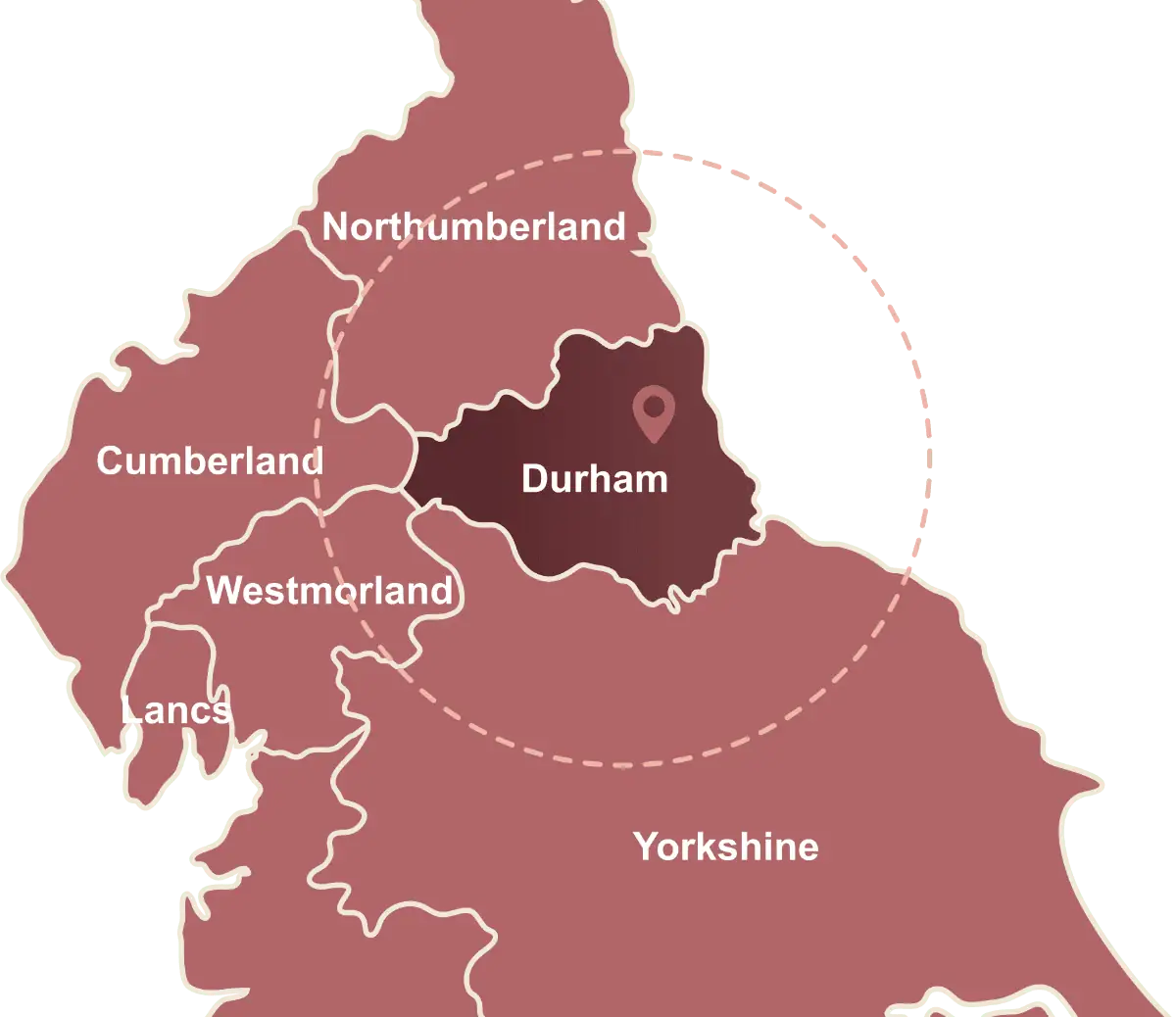
Based near Darlington.
Working across the North East.
I work with businesses across the North East: Darlington, Durham, Bishop Auckland, Stockton-on-Tees, Newcastle and the surrounding areas. For the right client I'll travel further. For businesses that work remotely, I can do that too. If you're within an hour of Barnard Castle, I can be with you in person when it counts.
 Book a Free Consultation